
Embracing All Bodies: The Inclusive Nature of Pilates

Pilates often gets mistaken as an exercise only for a certain type of body—usually slim, flexible, and athletic. This misconception keeps many people from trying it, thinking it’s not meant for them. The truth is Pilates welcomes all bodies, regardless of shape, size, age, or ability. It offers a path to strength, balance, and well-being that adapts to individual needs and goals.
This post explores how Pilates embraces diversity in bodies and abilities, why it matters, and how anyone can start practicing Pilates with confidence.
Let's learn about embracing all bodies and how Pilates may be just what your body needs!

Pilates Is Designed for Every Body
Joseph Pilates created Pilates in the early 20th century as a method to improve physical strength, flexibility, and posture. His approach focused on controlled movements, breathing, and core engagement. Importantly, Pilates was designed to be adaptable. Joseph Pilates believed that the exercises could be modified to suit anyone’s body and condition.
Today, Pilates instructors continue this tradition by tailoring exercises to meet each person's unique needs. Whether someone is recovering from an injury, managing chronic pain, or simply looking to improve fitness, Pilates offers modifications and variations that make the practice accessible.
How Pilates Adapts to Different Bodies
Modifications for mobility and flexibility: Exercises can be adjusted to accommodate a limited range of motion or stiffness.
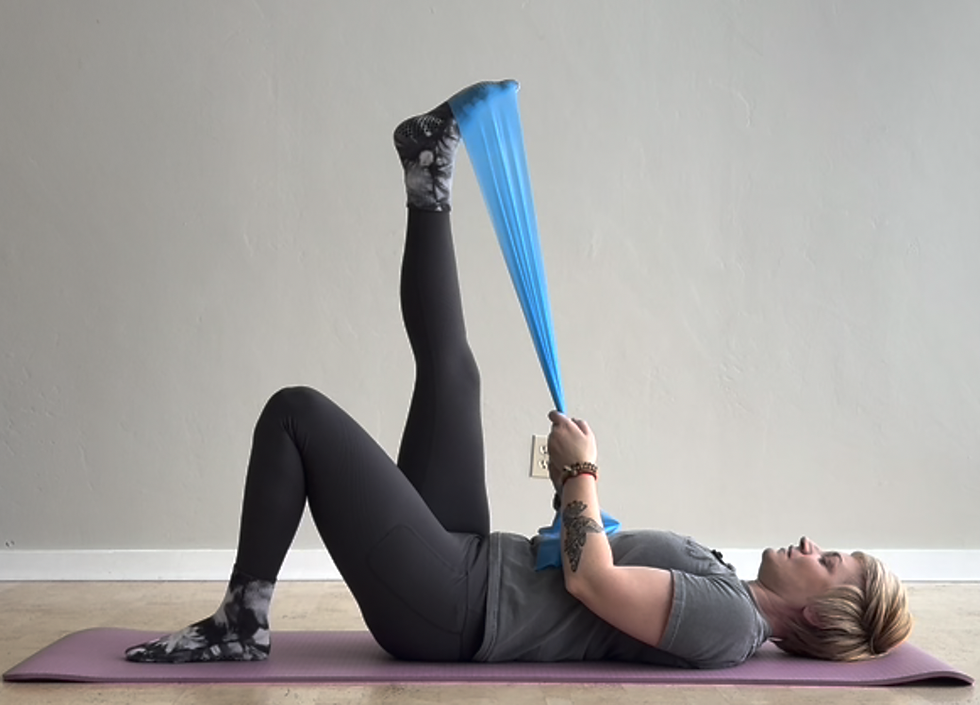
Use of props and equipment: Tools like resistance bands, Pilates rings, and reformers help support and challenge the body safely.
Focus on individual goals: Some may prioritize rehabilitation, while others focus on strength, balance, or relaxation.
Pacing and intensity: Pilates can be gentle or intense depending on the practitioner’s condition and preferences.
This adaptability means Pilates is not exclusive to a particular body type but inclusive of everyone’s unique physical makeup.

The Benefits of Pilates for Diverse Populations
Pilates offers many benefits that appeal to a wide range of people. Here are some examples:
Older adults: Pilates improves balance, coordination, and muscle tone, which helps reduce fall risk and maintain independence.
People with chronic conditions: Those with arthritis, back pain, or fibromyalgia often find relief through gentle Pilates movements that strengthen supporting muscles.
Pregnant and postpartum women: Pilates supports core strength and pelvic floor health, aiding recovery and reducing discomfort.
Athletes and dancers: Pilates enhances flexibility, core stability, and injury prevention.
Beginners and those new to exercise: Pilates builds foundational strength and body awareness in a low-impact way.
By focusing on controlled movement and mindful breathing, Pilates supports physical and mental well-being for all participants.

Breaking Stereotypes Around Pilates
The image of Pilates as a workout for thin, flexible women in tight clothing is outdated and limiting. This stereotype discourages many people from exploring Pilates, especially those who don’t see themselves represented.
Changing this perception requires:
Inclusive language: Promoting Pilates as a practice for all bodies, not just a certain look.
Diverse representation: Featuring people of different sizes, ages, and abilities in Pilates classes and marketing.
Educating instructors: Training teachers to recognize and respect individual differences and to offer modifications.
Community support: Creating welcoming environments where everyone feels comfortable and valued.
When Pilates becomes more inclusive, more people can experience its benefits without fear or judgment.

How to Start Pilates No Matter Your Body Type
Starting Pilates can feel intimidating if you think it’s not for your body. Here are practical tips to begin your Pilates journey:
Find a qualified instructor: Look for teachers who emphasize inclusivity and offer personalized guidance.
Communicate your needs: Share any injuries, limitations, or goals with your instructor so they can tailor the practice.
Start with beginner classes: These focus on foundational movements and build confidence.
Use props: Don’t hesitate to use blocks, straps, or cushions to support your body.
Listen to your body: Pilates encourages mindful movement, so adjust or skip exercises that cause discomfort.
Practice regularly: Consistency helps build strength and flexibility over time.
Remember, Pilates is about progress, not perfection. Every body can benefit from the practice!
Real Stories of Pilates Inclusivity
Many people have found Pilates to be life-changing because it respects their bodies and needs. For example:
A woman with scoliosis discovered Pilates helped her manage pain and improve posture.
An older man with arthritis regained mobility and reduced stiffness through gentle Pilates sessions.
A new mother used Pilates to rebuild core strength and regain confidence after childbirth.
A beginner with no prior fitness experience found Pilates a welcoming way to start moving again.
These stories highlight how Pilates adapts and supports diverse bodies on their wellness journeys.
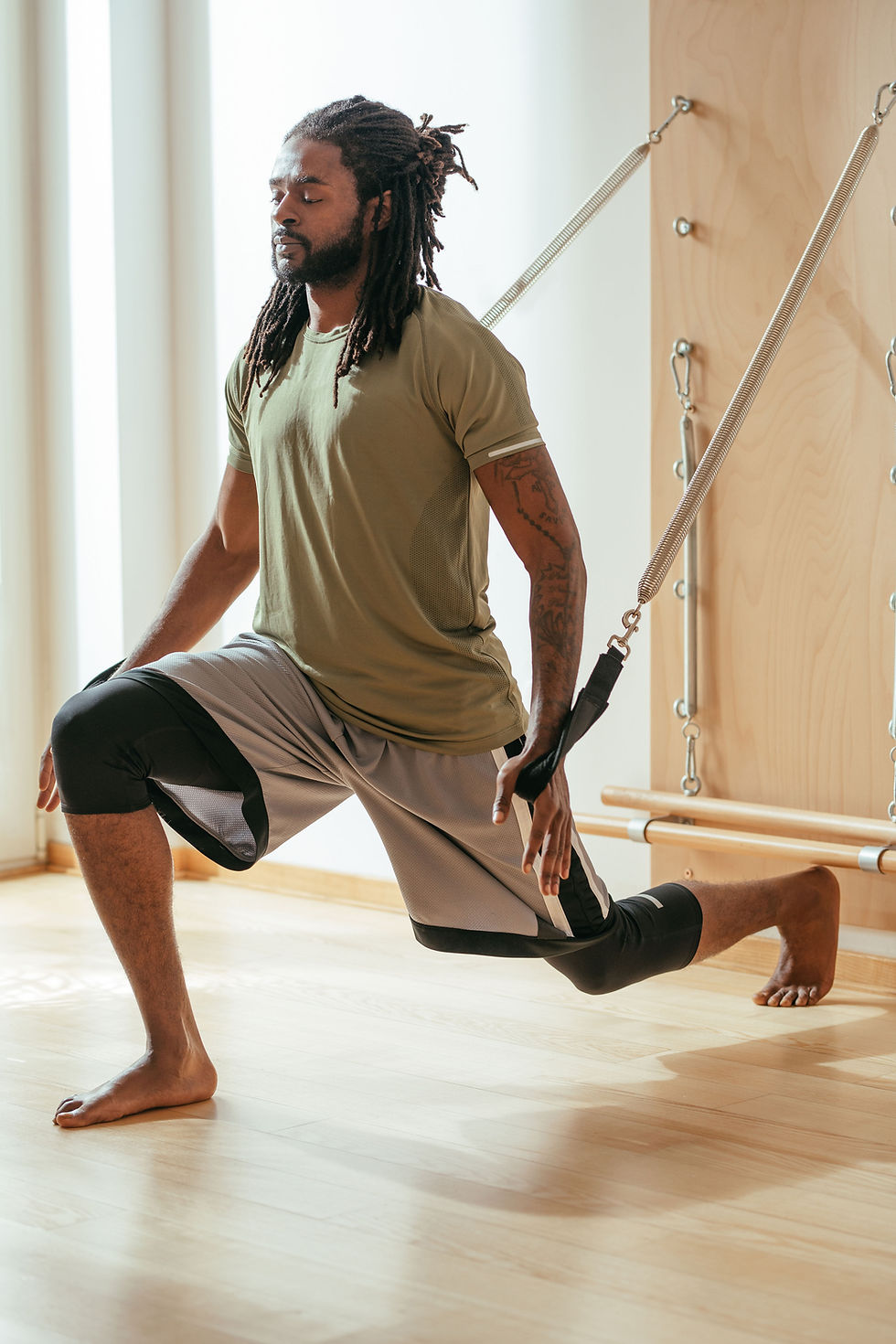
The Role of Pilates Instructors in Promoting Inclusivity
Instructors play a key role in making Pilates accessible. They can:
Offer clear explanations and demonstrations of modifications.
Create a non-judgmental atmosphere where questions and feedback are encouraged.
Use inclusive language that welcomes all body types.
Continuously educate themselves about different needs and conditions.
Encourage body positivity and self-acceptance.
A skilled instructor helps every participant feel seen, supported, and empowered.
Pilates and Body Positivity
Pilates aligns well with the body positivity movement by encouraging respect and care for one’s body. It shifts focus from appearance to function and well-being. Practicing Pilates can help people:
Develop a better connection with their bodies.
Appreciate what their bodies can do rather than how they look.
Build confidence through achievable progress.
Reduce negative self-talk by focusing on mindful movement.
This mindset supports mental health and self-esteem alongside physical health.
Ready to start learning Pilates at home? Start your mat pilates practice here!

Comments