
Mat Pilates vs Reformer Pilates Which One is Right for You

Choosing between Mat Pilates and Reformer Pilates can feel overwhelming, especially if you want to get the most out of your workout. Both styles offer unique benefits and challenges, but understanding their differences can help you decide which suits your fitness goals, experience level, and preferences. This post breaks down the key aspects of Mat Pilates and Reformer Pilates, compares their difficulty levels, and guides you toward the best choice for your body and lifestyle.

What is Mat Pilates?
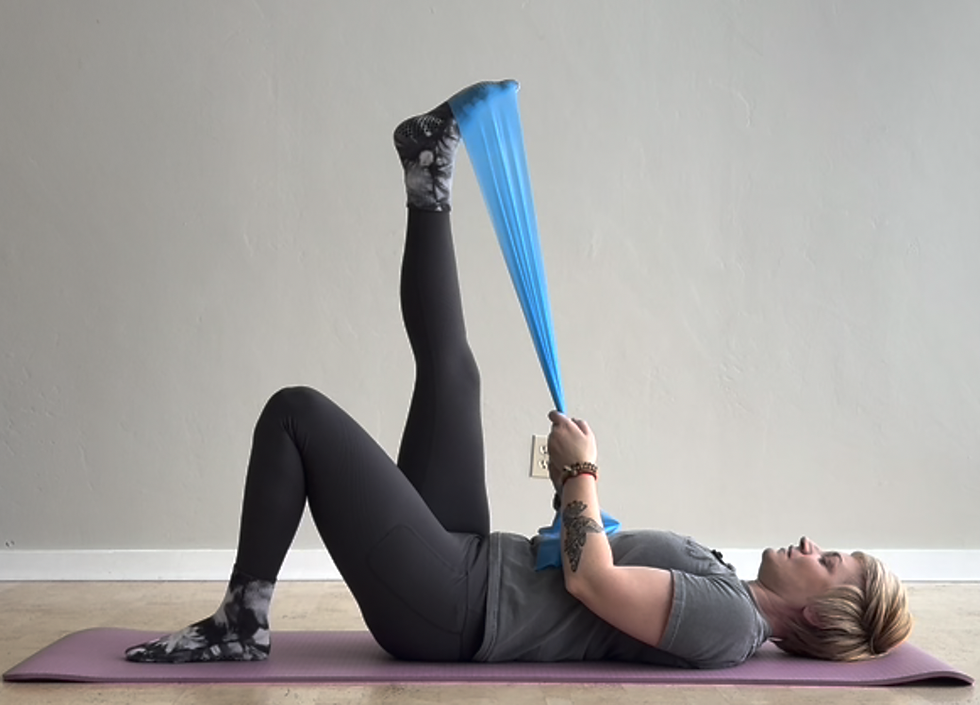
Mat Pilates is the original form of Pilates developed by Joseph Pilates in the early 20th century. It involves performing a series of controlled exercises on a mat, using your body weight as resistance. The focus is on core strength, flexibility, balance, and body awareness.
Key Features of Mat Pilates
No equipment needed except a mat, making it accessible and affordable.
Exercises target the deep core muscles, including the transverse abdominis and pelvic floor.
Movements emphasize precision, control, and breathing.
Can be modified for beginners or advanced practitioners.
Often includes exercises like the Hundred, Roll-Up, and Plank variations.
Mat Pilates is popular in group classes and home workouts because it requires minimal space and equipment. It builds a strong foundation of Pilates principles that apply to all forms of the practice.

What is Reformer Pilates?
Reformer Pilates uses a specialized piece of equipment called the reformer. This machine has a sliding carriage, springs for resistance, straps/loops, and a footbar to assist or challenge movements. The reformer allows for a wider range of exercises and resistance levels compared to mat work.
Key Features of Reformer Pilates
Uses adjustable springs to provide resistance or assistance.
Supports the body during exercises with spring tension, which can help with alignment and reduce strain.
Offers more variety in movement planes while working against spring tension.
Can help target specific muscle groups more precisely.
Suitable for rehabilitation, athletic training, and general fitness.
Reformer Pilates classes often feel more dynamic because the machine adds resistance and support, allowing for both gentle and intense workouts.

Comparing Difficulty Levels
Many people wonder if Mat Pilates is harder than Reformer Pilates or vice versa. The answer depends on several factors including your fitness level, body awareness, and the instructor’s approach.
Why Mat Pilates Can Feel More Difficult
You rely solely on your body weight for resistance.
Requires strong core engagement and control to maintain proper form.
Balance and stability are challenged without external support.
Some exercises demand significant flexibility and strength.
Beginners may find it harder to perform movements correctly without guidance.
Why Reformer Pilates Can Feel More Difficult
Resistance from springs can increase the intensity of exercises.
The moving carriage requires coordination and control.
Some exercises demand strength to push or pull against resistance.
The machine allows for deeper stretches and more complex movements.
Beginners might feel overwhelmed by the equipment and setup.
Which One Is More Challenging?
Neither style is inherently harder; it depends on your body and experience. For example:
A person new to Pilates might find reformer exercises easier because the machine supports movement.
An experienced athlete might find mat Pilates more challenging due to the demand for core control and balance.
Someone recovering from injury might prefer reformer Pilates for its adjustable resistance and support.

Benefits of Mat Pilates
Improves core strength and posture without needing equipment.
Enhances body awareness and control.
Can be done anywhere, making it convenient.
Builds a strong foundation for other Pilates forms.
Encourages mindful breathing and movement.
Benefits of Reformer Pilates
Provides adjustable resistance for strength building.
Supports proper alignment and reduces injury risk.
Offers a wider variety of exercises targeting different muscle groups.
Can be tailored for rehabilitation or athletic performance.
Helps improve flexibility and joint mobility.

Who Should Choose Mat Pilates?
People who prefer workouts without equipment.
Those who want to practice Pilates at home or while traveling.
Beginners looking to learn Pilates fundamentals.
Individuals seeking a low-cost fitness option.
Anyone aiming to improve core strength and flexibility gradually.
Who Should Choose Reformer Pilates?
People interested in strength training with controlled resistance.
Those recovering from injury or with specific rehabilitation needs.
Athletes wanting to enhance performance and muscle balance.
Pilates practitioners looking for variety and challenge.
Individuals who enjoy guided classes with equipment.
How to Decide Which Pilates Style Fits You
Consider these questions to help make your choice:
What are your fitness goals? (Strength, flexibility, rehabilitation, general fitness)
Do you prefer working out with or without equipment?
What is your current fitness level and experience with Pilates?
Do you have any injuries or physical limitations?
What kind of environment do you enjoy? (Studio classes, home workouts, one-on-one sessions)
Trying both styles can also be a great way to see what feels best. I highly recommend training both if you can. Both offer different benefits for your body, and both have their challenges. I also understand how expensive reformer Pilates is for many, which is why I created the online Mat Pilates workouts! They are an easy and affordable way to get your body moving and understand the exercises we practice with Pilates. Your mat work will enhance your work on the reformer and vice versa!
Tips for Getting Started
Start with beginner classes to learn proper form and breathing.
Communicate with your instructor about any injuries or concerns.
Wear comfortable clothing that allows movement.
Keep long hair up and out of the area of the springs.
Use a quality mat for mat Pilates to protect your joints. Shop my suggestions HERE!
For reformer Pilates, go slow and listen to your instructor.
Pilates is a journey of building strength, flexibility, and body awareness. Whether you choose mat or reformer Pilates, consistency and focus on technique will bring the best results. I hope this article helped you decide, Mat Pilates vs Reformer Pilates: Which One is Right for You!
Always feel free to reach out with any questions!
Cheers- Alexis

Comments