
The Benefits of Pilates for Women Navigating Perimenopause

Perimenopause brings many changes to a woman’s body, often accompanied by discomfort and uncertainty. Finding ways to support physical and emotional well-being during this time is essential. Pilates offers a gentle yet effective approach to help women manage symptoms and maintain strength, balance, and flexibility. This post explores how Pilates can benefit women in perimenopause and offers practical insights on incorporating it into daily life.
This post is personal to me, as I am in the midst of perimenopause. I didn't realize the changes that started in my mid 40s were perimenopause, and I felt the onset of more symptoms by my late 40s. Pilates has helped me in many ways, including: feeling stronger, less back stiffness/pain, better posture, more flexibility, I do not wake up feeling swollen or tightness in my body, connection to breath, better balance, and more!
I hope to help others find the benefits of Pilates as well.
Enjoy the post and always reach out with any questions you may have, happy to help!

Understanding Perimenopause and Its Challenges
Perimenopause is the transitional phase before menopause, typically starting in a woman’s 40s but sometimes earlier. Hormonal fluctuations cause symptoms such as:
Irregular periods
Hot flashes and night sweats
Mood swings and anxiety
Sleep disturbances
Weight gain, especially around the abdomen
Decreased bone density and muscle mass
These changes can affect daily life and physical health. Maintaining an active lifestyle is crucial, but high-impact or strenuous exercise may feel overwhelming during this time.
Why Pilates Works Well During Perimenopause
Pilates focuses on controlled movements, breathing, and core strength. It is low-impact and adaptable, making it suitable for women experiencing perimenopausal symptoms. Here are key reasons Pilates stands out:
Improves core strength and posture: Strengthening deep abdominal and back muscles supports the spine and reduces back pain, common in perimenopause.
Enhances flexibility and balance: Pilates exercises gently stretch muscles and improve coordination, lowering the risk of falls and injuries.
Supports bone health: Weight-bearing Pilates movements can help maintain bone density, which declines during perimenopause.
Reduces stress and promotes relaxation: The mindful breathing and focus in Pilates calm the nervous system, easing anxiety and improving sleep quality.
Aids weight management: Pilates builds lean muscle, which boosts metabolism and helps manage weight gain.
Core Pilates Exercises Beneficial for Perimenopausal Women
Incorporating specific Pilates exercises can target common perimenopausal concerns. Here are some examples:
The Hundred
This classic Pilates move warms up the body and strengthens the core. It involves controlled breathing and rhythmic arm movements while engaging abdominal muscles. It helps improve circulation and energizes the body.
Pelvic Curl
This exercise strengthens the glutes and lower back while mobilizing the spine. It supports pelvic stability, which can be affected by hormonal changes.
Leg Circles
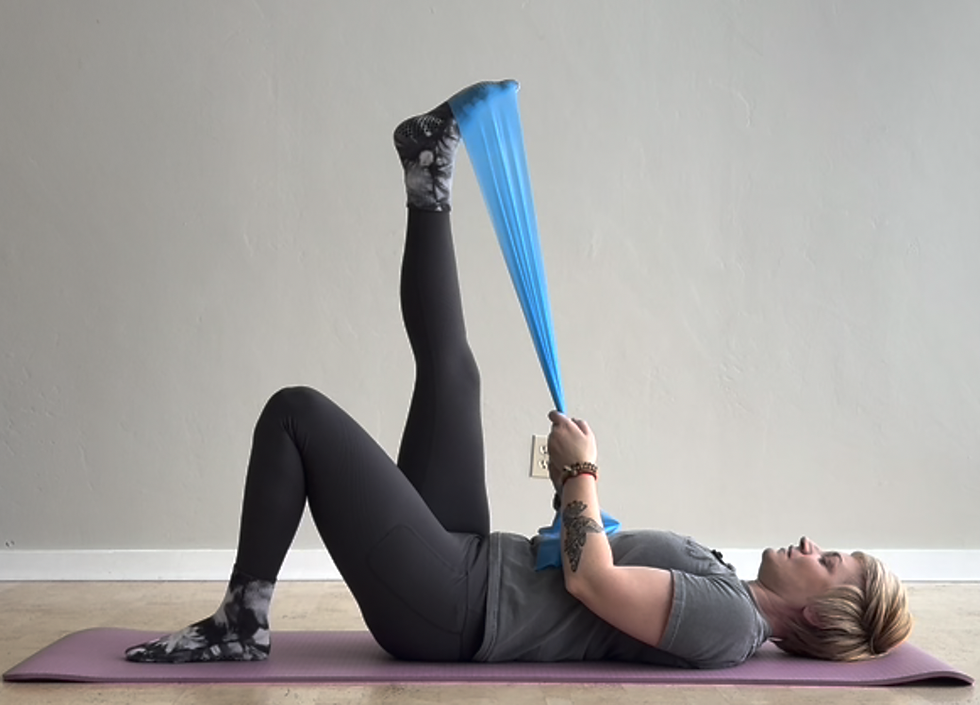
Leg circles enhance hip mobility and strengthen the muscles around the pelvis. This can relieve stiffness and improve balance.
Spine Stretch Forward
This stretch lengthens the spine and hamstrings, promoting better posture and flexibility. It also encourages mindful breathing, which reduces tension.
Side Leg Lifts
Side leg lifts target the outer thighs and hips, areas prone to fat accumulation during perimenopause. Strengthening these muscles improves stability and body shape.

How Pilates Supports Emotional Well-being
Perimenopause often brings mood swings and increased stress. Pilates encourages mindfulness through focused breathing and movement. This connection between mind and body helps women feel more grounded and present. Regular practice can:
Lower cortisol levels, reducing stress
Improve sleep patterns by calming the nervous system
Boost mood through gentle physical activity and endorphin release
Women report feeling more balanced emotionally after Pilates sessions, which supports overall well-being during hormonal changes.
Tips for Starting Pilates During Perimenopause
If you’re new to Pilates or returning after a break, consider these tips:
Choose a qualified instructor: Look for someone experienced with women’s health or perimenopause to guide you safely.
Start slow: Begin with beginner classes or private sessions to learn proper form and avoid injury.
Listen to your body: Modify exercises as needed, especially if you experience joint pain or fatigue.
Consistency matters: Aim for 2-3 sessions per week to see benefits without overexertion.
Combine with other healthy habits: Balanced nutrition, hydration, and adequate sleep enhance Pilates results.

Real-Life Example: Sarah’s Journey with Pilates
Sarah, 47, began experiencing hot flashes, mood swings, and lower back pain during perimenopause. She started Pilates twice a week after her doctor recommended gentle exercise. Within a few months, Sarah noticed:
Reduced back pain and improved posture
Better sleep quality and fewer night sweats
Increased energy and mood stability
More confidence in her body’s strength and flexibility
Her experience highlights how Pilates can be a practical tool to manage perimenopausal symptoms and improve quality of life.
Additional Benefits of Pilates for Long-Term Health
Beyond immediate symptom relief, Pilates supports long-term health goals important for women in midlife:
Maintains muscle mass: Prevents age-related muscle loss, supporting mobility and independence.
Improves cardiovascular health: While low-impact, Pilates can complement aerobic exercise for heart health.
Supports pelvic floor strength: Important for bladder control and sexual health, which can be affected by hormonal changes.
Encourages body awareness: Helps women adapt to their changing bodies with grace and confidence.
Final Thoughts on Pilates and Perimenopause
Pilates offers a balanced approach to managing the physical and emotional challenges of perimenopause. Its focus on strength, flexibility, and mindful movement helps women feel stronger and more in control during this transition. Starting Pilates with guidance and consistency can lead to lasting benefits that extend well beyond perimenopause.
Please feel free to email me or message me via Instagram for any questions or interest in starting Pilates in person. I also have online mat workouts for anyone seeking to get started today!

Comments