
The Power of Small Movements in Pilates: Transform Your Practice

Updated: May 4
"Pilates: Unlocking Strength and Flexibility Through Small Movements"
Pilates is often seen as a workout of controlled, precise movements. Yet, many practitioners overlook how the smallest adjustments can create the biggest changes in their body and mind. These tiny movements, when done with focus and intention, unlock strength, flexibility, and balance far beyond what large, sweeping motions can achieve. Understanding why smaller movements have such a big impact can deepen your Pilates practice and help you experience its full benefits.

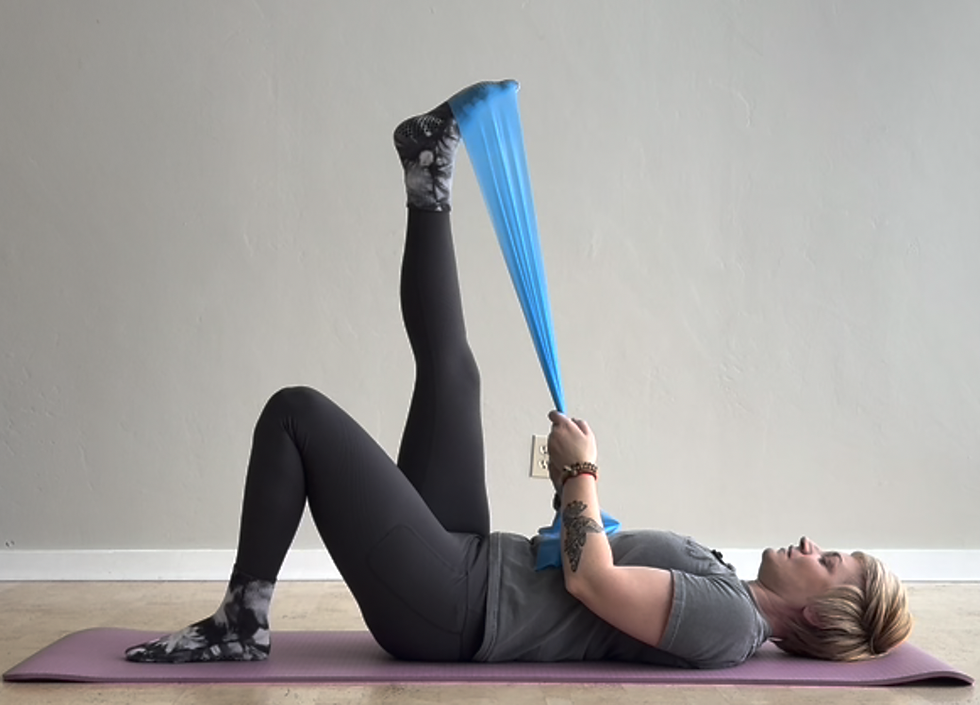
Small, precise Pilates movement on the reformer
Why Small Movements Matter More Than You Think
In Pilates, every movement counts. The method emphasizes quality over quantity, meaning that how you move is more important than how much you move. Small movements engage muscles that often go unnoticed in everyday activities or larger exercises. These muscles are crucial for stabilizing your core, improving posture, and preventing injury.
When you focus on small, controlled movements, you:
Activate deep muscles that support your spine and joints
Improve muscle coordination and body awareness
Enhance balance and stability by training fine motor control
Reduce the risk of injury by strengthening muscles evenly
Build endurance in muscles that sustain posture and movement
For example, a tiny pelvic tilt or a subtle scapular retraction during Pilates can engage core muscles deeply, which larger movements might miss. This precision builds a stronger foundation for more complex exercises.
How Small Movements Improve Muscle Engagement
Muscle engagement in Pilates is about more than just contracting muscles; it’s about activating the right muscles at the right time. Small movements help you isolate specific muscle groups and improve neuromuscular connections. This means your brain and muscles communicate better, leading to more efficient and effective movement.
Take the example of the transverse abdominis, a deep core muscle. It’s difficult to engage this muscle with large, fast movements. However, a small, controlled drawing in of the belly button toward the spine activates this muscle, providing essential support for the lower back.
By practicing these small movements regularly, you train your body to use muscles correctly during daily activities, reducing strain and improving posture.

Small Movements Enhance Mind-Body Connection
Pilates is as much about mental focus as it is about physical movement. Small movements require concentration and mindfulness, which strengthens the mind-body connection. This connection helps you become more aware of your posture, alignment, and breathing.
When you slow down and focus on tiny adjustments, you learn to listen to your body’s signals. This awareness allows you to correct imbalances and avoid compensations that can lead to pain or injury.
For instance, during a Pilates roll-up, focusing on the small movement of articulating each vertebra off the mat improves spinal flexibility and control. This mindful approach transforms the exercise from a simple movement into a powerful practice of body awareness.
Practical Examples of Small Movements in Pilates
Here are some specific Pilates exercises where small movements make a big difference:
Pelvic Curl: Instead of lifting the hips quickly, slowly articulate the spine one vertebra at a time. This activates the deep spinal muscles and improves flexibility.
Scapular Retraction: Gently squeeze the shoulder blades together without shrugging the shoulders. This small movement strengthens the upper back and improves posture.
Toe Taps: Lower one foot at a time with control, keeping the pelvis stable. This tiny movement challenges core stability and coordination.
Hundred Prep: Instead of flailing arms, pump them with small, controlled movements while maintaining a strong core engagement. This builds endurance and breath control.
Each of these exercises shows how focusing on small, precise movements can increase muscle activation and improve overall control.

Tips to Incorporate Small Movements into Your Practice
To make the most of small movements in Pilates, try these tips:
Slow down your movements to feel the muscles working
Use a mirror or instructor feedback to check alignment
Focus on breathing to support muscle engagement
Visualize the muscles you want to activate during each movement
Practice regularly to build muscle memory and control
Remember, it’s not about rushing through exercises but about quality and precision.
The Long-Term Benefits of Embracing Small Movements
Over time, practicing small movements in Pilates leads to lasting improvements:
Better posture from stronger core and back muscles
Increased flexibility through controlled spinal articulation
Reduced pain by correcting muscle imbalances
Improved athletic performance due to enhanced muscle coordination
Greater body awareness that supports healthy movement patterns
These benefits extend beyond Pilates, improving your overall quality of life.
Conclusion
Incorporating small movements into your Pilates practice can transform your experience. By focusing on precision and control, you unlock a deeper understanding of your body. This approach not only enhances your physical abilities but also fosters a strong mind-body connection. Embrace the power of small movements and watch as your strength, flexibility, and overall well-being flourish.
Remember, every small step counts on your journey to improved body awareness and well-being. Let's celebrate these tiny victories together!


Comments